
Every year the month of September is recognized as National Suicide Prevention Month. Local 2 continues to put an emphasis on mental health in the trades, aiming to break the stigma around receiving care before it is too late.
We recently caught up with union advocate and Local 1 Insulator, David Knipp (Proud Union Guy on social media), for a Q&A to discuss the importance of prioritizing mental health in our industry and beyond. Knipp is a proud union insulator who uses social media as a platform to promote the benefits of unionizing and to bring attention to the issues that affect our country’s skilled laborers. One of these issues being the severe crisis that is high suicide rates within the construction industry.

Q: What do you think is the main reason mental health and suicide are prominent issues in the trades?
A: “I don’t think there’s one reason. It’s a combination of things. We work long hours, travel, miss time with our families, and put our bodies through a lot. Many people live with chronic pain. Then there’s the old-school mentality that says you’re supposed to suck it up, keep your mouth shut and go to work.
For years, especially among men in the trades, we’ve been taught that asking for help is weakness. We’ll tell somebody to fix their shoulder or see a doctor about their back, but when they’re struggling mentally, we act like they should tough it out. Your brain is part of your body too. There shouldn’t be a different standard.”

Q: How do you aim to reject the idea that seeking mental health help will jeopardize a job?
A: “I talk about it openly. The more that people in the trades say, “I talked to somebody,” or “I needed help,” the more normal it becomes. Getting help doesn’t make you weak or a bad worker. Recognizing that something isn’t right and doing something about it takes strength. Nobody should feel that keeping a job is more important than staying alive.”
Q: How can leaning on union benefits and programs benefit those who may be concerned about their mental health?
A: “This is one reason being part of a union matters. Many members have access to health insurance, employee assistance programs, counseling, substance abuse treatment and other resources they may not realize are available. My advice is to find out what your local offers before you need it.
Unions also need to keep reminding members that these programs exist. Don’t bury the information in a booklet from five years ago. Put it in front of the membership, discuss it at meetings, post the phone numbers and share them on social media. Make it easy for somebody to ask for help.”
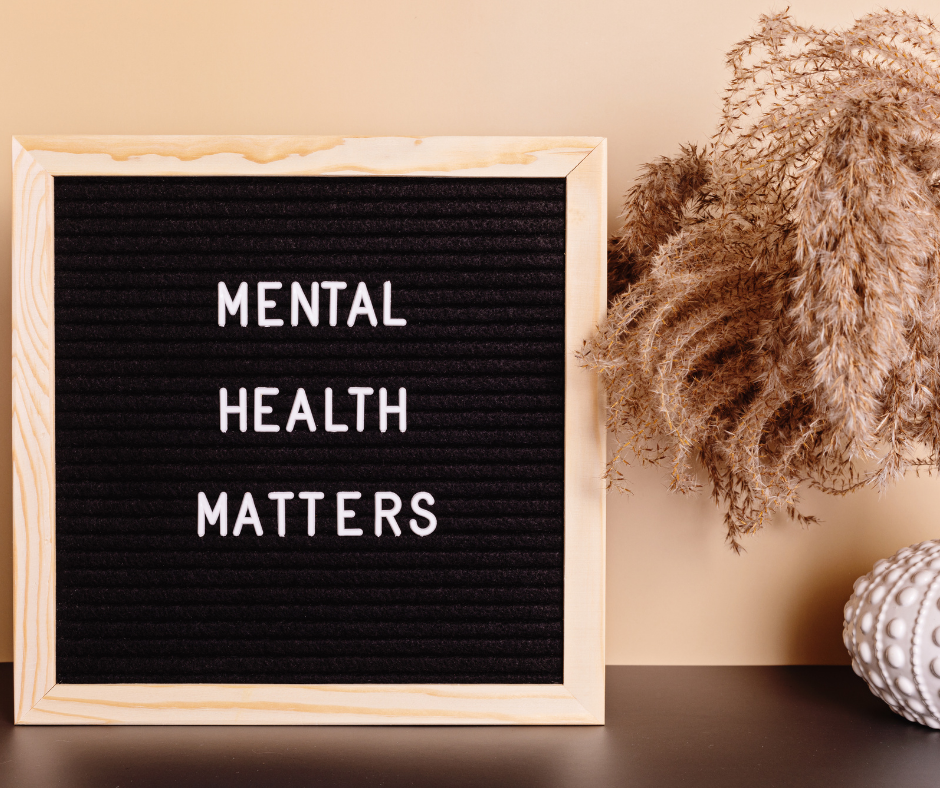
Q: How can we break the stigma around getting mental health help, whether it is clinically through doctors/therapists, or just talking with loved ones?
A: “We break the stigma by talking about it. That’s simple. The more we hide it, the more people think they’re the only ones struggling. It starts with people in the trades being willing to tell their own stories: business managers, foremen, journeymen, apprentices — everybody. We need to reach a point where saying, “I’m having a hard time,” is no different from saying, “My knee is killing me, and I need to get it checked out.”
The first step doesn’t always have to be a therapist. It might be your spouse, friend, coworker, union brother or union sister. The important thing is to talk to somebody.”
Q: What can union brothers and sisters do to make sure they are checking on one another, especially when a coworker may be showing warning signs?
A: “Actually check on people. I don’t mean walking by and saying, “You good?” because they’ll probably say, “Yeah, I’m good.” If somebody isn’t acting like themselves, pull them aside and ask again. “Seriously, man. Are you alright?” Listen to the answer.
We spend more waking hours with some coworkers than we do with our families. We notice when somebody gets quiet, stops joking around, misses work, drinks more, gets angry or just seems different. Don’t be afraid to say something. You might feel awkward for five minutes. I’d rather have that conversation today than attend their funeral next week wishing I had said something. That’s solidarity too.”
Physical safety is a number one priority in the trades, and mental health should be part of that same conversation. Ensuring workers get home safely does not just mean making sure they don’t fall off scaffolding, but also that they make it home mentally.
“Unions have an incredible opportunity because solidarity is already built into who we are. Brotherhood and sisterhood shouldn’t end when we punch out,” Knipp said.
The Suicide Prevention Hotline is not just a call to 988. If you are struggling, visit the Suicide Prevention Hotline website to text, chat and receive accessible help.